Transform Slopes: Clever Backyard Landscaping Ideas for Sloped Yards
Transforming a sloped backyard into a visually appealing and functional landscape may seem daunting, but with the right approach, it can be an exciting opportunity to create a unique and stunning outdoor space. Sloped yards offer a chance to build terracing, create serpentine paths, and incorporate beautiful retaining walls that add character and structure to your landscape.
Steep slopes can provide a dramatic backdrop for a dramatic landscape design, while gentle slopes present opportunities for meandering walks, integrated water features, or dramatic hillside plantings. With careful planning and the right backyard landscaping ideas for sloped yards, you can turn your challenging terrain into a scenic masterpiece that adds significant value to your home.
Understanding Your Slope: Assessment and Planning
Before you begin designing your sloped yard, it's crucial to assess the slope's steepness, size, and drainage patterns. This will help you determine the best plants, hardscapes, and features to include in your landscape and prevent potential issues like erosion or water damage.


One way to measure slope is by using a string or rope and a level. Mark a 10-foot section of the slope with stakes, and measure the vertical distance between the top and bottom stakes. Then, measure the horizontal distance between the stakes using the string or rope, and finally, divide the vertical measurement by the horizontal measurement to calculate the slope ratio.
Terrasting: Building Retaining Walls and Terraces
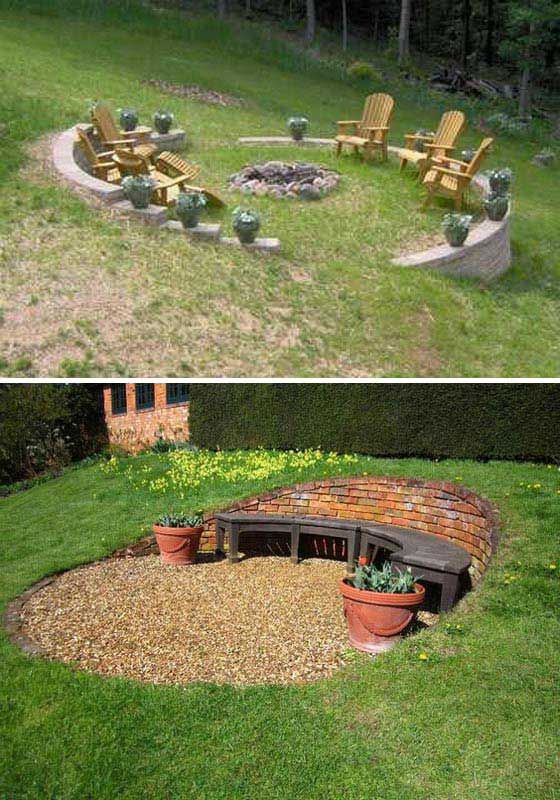
Terrasting is a popular technique for sloped yards that involves building retaining walls and terraces to create flat areas for planting, gardens, and outdoor living spaces. Retaining walls can be made from various materials, such as wood, stone, or concrete blocks, and provide both aesthetic and functional benefits.


To create Terraces:
- Measure and mark out the desired terrace locations and sizes.
- Excavate the soil to the appropriate depth for the desired terrace height, ensuring a level base for construction.
- Build the retaining walls using your chosen material, ensuring they are properly reinforced and sloped inward slightly to prevent bulging or failure.
- Fill the terraces with topsoil and create plant beds, paths, or patios as desired.
Hogging and Hugging: Alternative Terrace Techniques
For gentler slopes, consider alternative terrace-building techniques like hogging (creating upside-down "V" shapes) or hugging (following the natural contour of the hill). These methods require fewer retaining walls and can create a more natural, moss-covered appearance over time.
To Create Hogging Terraces:


- Mark out the "V" shapes along the slope, ensuring they face downward and are approximately 4 to 6 feet apart.
- Excavate the soil to form the "V" shape, creating a deep, narrow trench and a broad, flat terrace above it.
- Plant grass or flowers on the terraces, and allow the trench to fill naturally with soil and plants over time.
For Hugging Terraces, use a similar process, but follow the natural hillside contour to create a snake-like pattern of flat planting areas.
Planting and Lawn Care for Sloped Yards
Choosing the right plants is essential for creating a low-maintenance, attractive slope. Select plants that are adapted to your climate, soil conditions, and sunlight exposure. Additionally, opt for a mix of sizes, textures, and colors to create visual interest and depth in your landscape.
When planting on slopes, consider using groundcovers, shrubs, and small trees to save on hardscaping materials and create a more natural look. Mulching around plants will help retain soil moisture, prevent erosion, and suppress weeds.




Erosion Control and Groundcovers
Groundcovers are an excellent choice for sloped areas as they provide nearly continuous coverage, suppress weeds, and help prevent erosion. Choose hardy, low-growing plants that can spread and form a dense mat, such as pachysandra, vinca, or sweet woodruff.
To incorporate groundcovers into your sloped yard:
- Clearing away any existing weeds or debris from the planting area.
- Test the soil pH and amend it with compost or amendments as needed for the selected groundcovers.
- Loosen the soil with a rake or rototiller to a depth of 4 to 6 inches, and separate any remaining weed roots.
- Spread groundcover plants evenly across the area, spacing them according to the species' size and growth habit.
- Apply a layer of organic mulch, such as wood chips or pine straw, around the plants to help retain moisture, suppress weeds, and protect young roots.
Planting on Slopes: Methods and Techniques
When planting on slopes, use these techniques to ensure plant stability and success:
- Create shallow trenches or "furrows" to plant in, rather than digging deep holes. This helps prevent erosion and makes it easier to manage water flow.
- Plant on the "high" side of the slope to encourage root growth and stabilize the soil.
- Use fast-growing, temporary plants to hold the soil in place while permanent plants establish.
- Water plants episodically rather than daily to encourage deep root growth and prevent erosion.
Embrace the unique challenges and opportunities that sloped yards present, and let your creativity guide you as you transform your landscape into an inviting, beautiful, and functional outdoor space. Consult with local landscape professionals or join online forums to gain insights and advice tailored to your specific region and soil conditions.
Related Articles

Transform Slopes: 15 Genius Landscaping Ideas for Steep & Sloped Front Yards
Transforming a sloped front yard into an inviting and functional landscape presents a unique set of challenges and opportunities. The key lies in embracing the...

Transform Slopes: 15 Creative Landscaping Ideas for Hilly Front Yards
Transforming a sloped front yard into a functional and visually appealing space can be a challenging yet rewarding task. The unique geography of your yard...

Elevate Your Slopes: 15+ Groundbreaking Landscaping Ideas for Sloped Yards
Transforming a sloped yard into an inviting and aesthetically pleasing space can be a daunting task, but with the right landscaping ideas, it can be turned...

Transform Narrow Spaces: 15 Clever Landscaping Ideas for Small, Skinny Yards
Transforming a small, narrow yard into an inviting and functional green space might seem challenging, but with the right landscaping ideas, you can create a...

Transform Your Tiny Space: 15 Clever Landscaping Ideas for Small Front Yards
Transforming a small front yard into a lush, inviting space can seem like a daunting task. However, with strategic landscaping ideas and a bit of creativity...

Transform Large Yards: Inspiring Backyard Landscaping Ideas
Transforming a large backyard into a private oasis is an exhilarating endeavor that allows you to express your creativity and enhance your property's value...