"Design Your Dream Yard: Create Custom Landscaping"
Transforming your yard into a personal oasis can be a rewarding and enjoyable experience. With a bit of planning and creativity, you can design your own yard landscaping and create an outdoor space that reflects your unique style and personality. The results can be impressively professional, and the process doesn't have to be complicated or expensive. Here are some steps and tips to help you design your dream yard.
Before you dive into the design process, it's essential to take a few preparatory steps. Start by assessing your yard's existing features, such as sunlight patterns, soil quality, and any existing plants or structures. Also, consider your lifestyle and how you plan to use your new space. Whether you're envisioning a peaceful retreat for relaxation or an energetic play area for children, your design should cater to your needs and preferences.
Defining Your Vision
With an understanding of your yard's existing conditions and your personal goals, it's time to create a clear and detailed vision for your project. Begin by collecting inspiration from magazines, books, websites, or social media platforms. Make note of elements that appeal to you, such as specific plants, materials, or design styles. Your inspiration board will serve as a roadmap throughout the design process.


Next, sketch out a rough plan of your yard, including the layout of your home and any existing features. Use your inspiration board to rough in the basic elements of your design, such as patios, garden beds, walkways, or water features. At this stage, don't worry about perfection – focus on capturing the overall look and feel you want to achieve.
Choosing Your Yard's Focal Point
A well-designed yard should have a clear focal point that commands attention and sets the tone for the space. This could be a stunning tree, a garden sculpture, a cozy fireplace, or a beautiful fountain. When selecting a focal point, consider the size and proportion of your yard and choose an element that scales appropriately. Once you've identified your focal point, design the rest of your yard to complement and frame it.


If your yard is lackluster or lacks a clear focal point, you may need to create one. Consider adding a water feature, such as a pond or waterfall, or installing a dramatic piece of outdoor art or furniture. You could also spotlight an existing tree or planting bed with strategic lighting or hardscaping elements.
Layering with Plants
Plants are the backbone of any landscape design, providing color, texture, and visual interest. To create a lush and inviting yard, incorporate plants in layers, starting with the tallest specimens at the back of your garden beds and graduating to shorter plants in the foreground. This technique, known as "layering," creates depth and dimension, drawing the eye in and around your space.
When selecting plants, consider factors such as light exposure, soil conditions, and mature size. Choose a mix of evergreens, annuals, and perennials to provide year-round interest and color. Don't be afraid to experiment with unusual or exotic plants, but be sure to include plenty of tried-and-true favorites to ensure your landscape's success.


Building Hardscapes for Function and Form
Hardscapes, such as patios, walkways, and retaining walls, provide structure and function in your yard. When designed thoughtfully, hardscapes can also add aesthetic value and complement the natural elements in your landscape. Consider incorporating elements like stone, brick, or concrete to create a cohesive and attractive outdoor living space.
Before you begin building hardscapes, sketch out a plan that incorporates your vision for outdoor living. Include features like patios for entertaining, garden beds for planting, and walkways to connect different areas of your yard. Use distinct materials and textures to create visual appeal and draw the eye through your outdoor space.
Designing Patios and Outdoor Living Spaces
Patios serve as the foundation for your outdoor living spaces, providing a solid surface for furniture, dining, and relaxation. When designing your patio, consider the size and scale of your yard and choose a shape and size that fits comfortably within the space. Also, be sure to account for the needs of your indoor and outdoor spaces, ensuring that your patio flows seamlessly from your home.


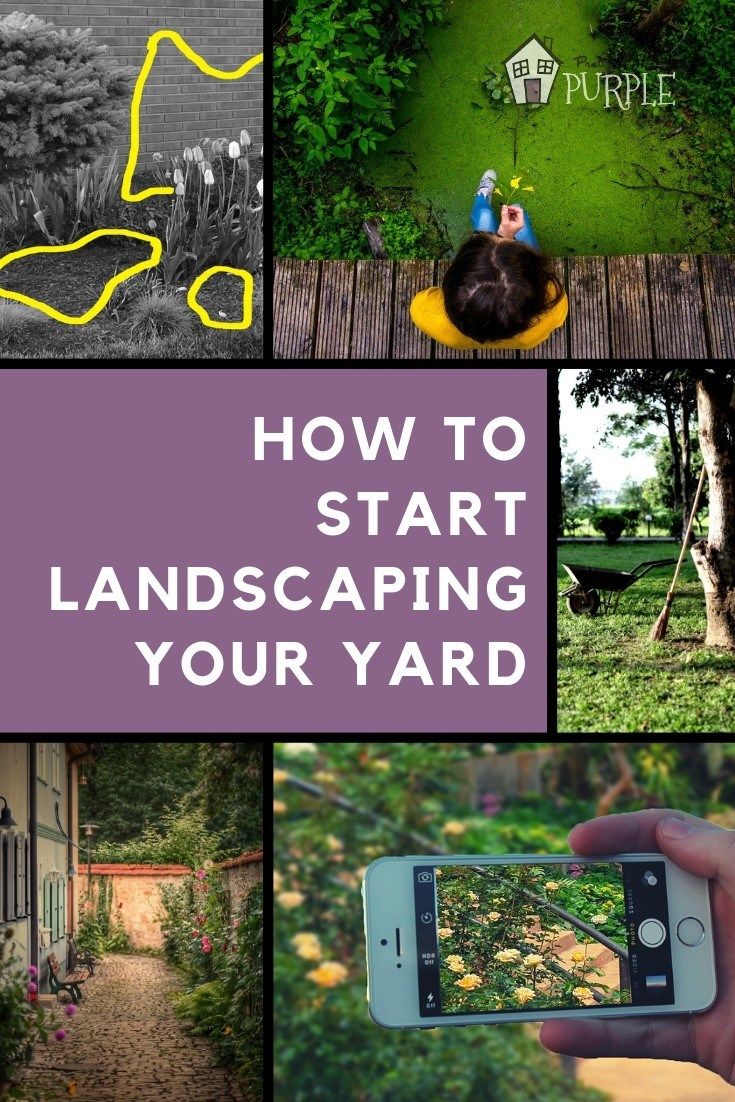


To create a welcoming and inviting patio space, layer your design with shade structures like pergolas, arbors, or umbrellas, and incorporate comfortable seating, such as sofas, chairs, or outdoor sectionals. Enhance your patio with lighting, such as string lights, lanterns, or built-in fixtures, to create a warm and inviting atmosphere even after dark.
Incorporating Paths and Walkways
Walkways and paths not only help you navigate your yard, but they also add visual interest and serve as the connectors between different areas of your outdoor space. When planning your yard's circulation, consider the flow of traffic and create walkways that are wide, gentle, and inviting.
To create walkways that blend seamlessly with your landscape, use materials that complement your home's architecture and the natural features of your yard. Poured concrete, pavers, or crushed stone can all be effective choices, depending on your design goals and budget.
Bringing your unique vision to life can be a rewarding and enjoyable experience. As your space takes shape, take pride in your accomplishments and don't be afraid to make adjustments or try new ideas along the way. With careful planning and a touch of creativity, you can design a yard that reflects your personality and provides a lifelong retreat for you and your loved ones to enjoy.
Related Articles

Create Your Dream Front Yard: Custom Designs
If you're looking to enhance your home's curb appeal and make a lasting first impression, consider the endless possibilities of front yard customization. Your...

"Master SketchUp Garden Design: Create Your Dream Landscape"
Planning your dream garden just got easier with SketchUp, the 3D modeling software that's revolutionizing the way we design and visualize spaces. Garden...

Zen Yard Design: Create Your Serene Outdoor Oasis
In the vibrant world of landscaping, there's a rising trend that's captivating both garden enthusiasts and homeowners seeking balance and tranquility: the Zen...
"Transformative Landscaping Ideas: Design Your Dream Garden"
Transforming your garden into a sanctuary can be an exciting and rewarding journey. With the right landscaping ideas, you can create a space that not only...

"Create Your Dream Landscape: Design Your Own Outdoor Oasis
Transforming your outdoor space into a unique and inviting haven can be an incredibly rewarding experience. By designing your own landscape, you're not only...

Beginner's Guide to Landscaping: Create Your Dream Outdoor Space
Embarking on a landscaping journey can transform your outdoor space into a vibrant, personalized oasis. As a beginner, you might feel overwhelmed, but with the...