Austin Garden Design: Transform Your Space Today
Austin, Texas, is renowned for its vibrant culture, laid-back lifestyle, and love for the outdoors. As such, creating an inviting and functional garden space in the Live Music Capital of the World can greatly enhance your home's curb appeal and your family's enjoyment of the great outdoors. Let's delve into the art of garden design in Austin, exploring the key elements, local tips, and popular trends to help you transform your garden into a true reflection of Texas' unique charm.
First and foremost, understanding Austin's climate and plant hardiness zone, which falls between 8b and 9a, is paramount for successful garden design. The hot and humid summers and mild winters create ideal conditions for a wide variety of both native and exotic flora. This diversity enables Austinians to create lush, vibrant gardens year-round, with a particular focus on drought-tolerant plants to conserve water.
Natives and Xeriscaping
Embracing native plants in your garden design is an eco-friendly and water-wise approach that supports local wildlife. Xeriscaping, a practice that emphasizes low-water use plants, minimal grass, and efficient irrigation, has gained significant traction in Austin due to its sustainability and desert-friendly design principles.


By incorporating native species like Texas Lantana, Black-Eyed Susan, and Texas Sage, you can create a sustainable and striking garden that requires less water and maintenance, allowing you to enjoy your outdoor space without breaking the bank or harming the environment.
Native Plant Palette
Texas A&M University's Aggie Horticulture program offers an comprehensive list of drought-tolerant plants suitable for Austin, providing gardeners with an array of options to choose from.


Some fan favorites include the Hardly-Rounded Red Yarrow, the fiery-red Turk's Cap, and the fragrant Antelope Horn Milkweed, which attracts monarch butterflies. By selecting a mix of native perennials, shrubs, and trees, you can create a diverse and resilient garden that thrives in Austin's climate and supports local pollinators and wildlife.
Designing for Low Water Use
To further optimize your garden's water efficiency, consider incorporating hardscaping elements, such as patios, paths, and retaining walls, into your design. These surfaces not only reduce the area dedicated to turf and plants but also create functional spaces for entertaining and relaxing. Opt for permeable materials like decomposed granite or gravel to facilitate rainwater infiltration and replenish groundwater reserves.
Implementing drip irrigation systems, which deliver water directly to the roots of plants, is another effective method for minimizing water waste. These systems are both environmentally responsible and cost-effective, ensuring your plants receive the precise amount of water they need without excessive runoff or evaporation.


Austin's Garden Trends and Inspiration
Austin's thriving garden scene is inspired by the city's unique blend of cultural influences, with a disproportionate emphasis on creating inviting, relaxed outdoor spaces that celebrate local artisanal craftsmanship and sustainability. Today, Austinite gardeners are embracing trends such as repurposed materials, edible landscaping, and eclectic styles that reflect the city's idiosyncratic character.
For local inspiration, the Zillow Home Improvement team has highlighted several Austin neighborhoods, such as Central Austin and South Austin, known for their lush gardens and innovative design. Touring these areas can provide valuable insights into the area's current design trends and help you identify elements to incorporate into your own garden project.
Repurposed Materials and Eclectic Style
In the spirit of Austin's funky, freewheeling culture, local gardeners are increasingly embracing repurposed materials, such as vintage furniture, industrial salvage, and reclaimed wood, to create one-of-a-kind outdoor spaces. Layering patterns, colors, and textures from diverse sources results in eclectic gardens that are both visually striking and environmentally responsible.


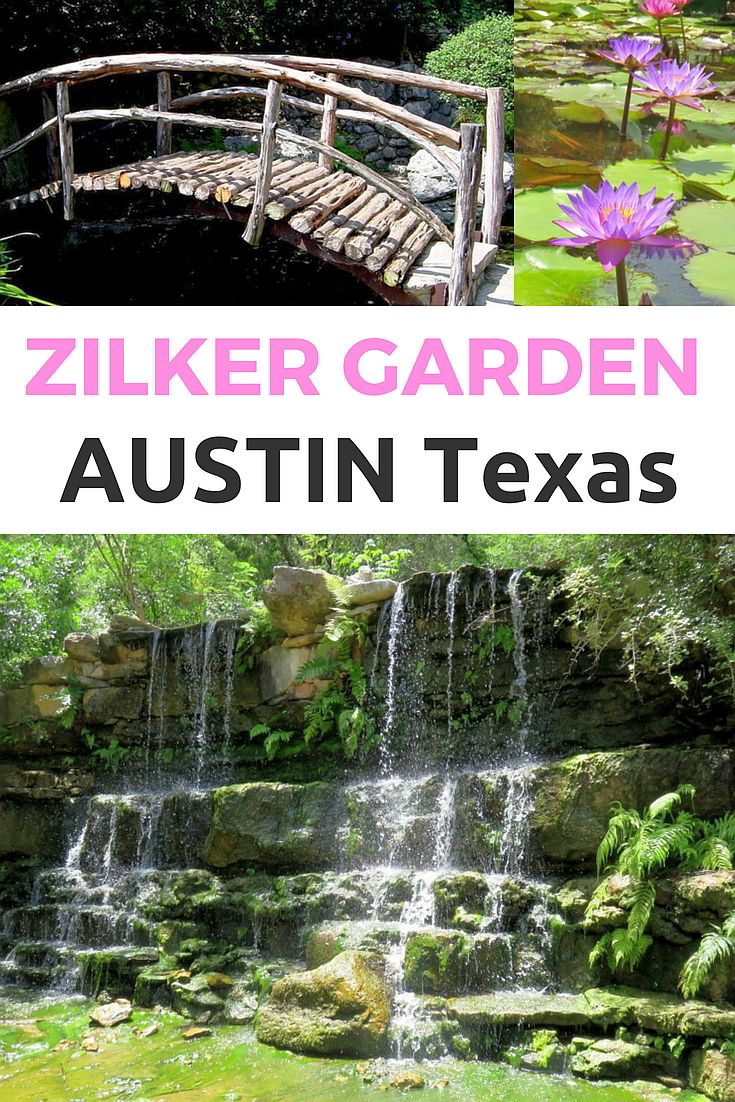

Flea markets, yard sales, and local vintage shops are treasure troves of unique finds that can be upcycled into garden art, planters, or seating areas. Combine these nostalgic elements with modern pieces, native plants, and whimsical details, like wind chimes or sculptures by local artists, to create a truly distinctive Austin garden.
Edible Landscaping and Sustainable Practices
Austin's vibrant farm-to-table culinary scene has inspired many residents to integrate vegetable gardens and fruit trees into their landscapes. Edible landscaping not only enhances the aesthetics of your garden but also provides you with fresh, organic produce and an opportunity to engage with the local food culture.
To create a successful edible landscape, consider the sunlight requirements and growing seasons of various fruits and vegetables and plant them accordingly. Incorporating companion plants, like herbs or marigolds, can help deter pests and encourage beneficial pollinators, creating a harmonious and productive ecosystem in your garden.
By embracing native plants, water-wise design principles, and Austin's unique garden trends, you can create a sustainable and inviting outdoor space that reflects the city's eclectic spirit. Whether you're a seasoned green thumb or just beginning your gardening journey, the vibrant and supportive Austin gardening community is sure to inspire and guide you in your quest to design the perfect garden oasis. So grab your gardening gloves, and let's get growing, Austin!"
Related Articles

Enchanting Garden Designs: Fountain Ideas to Transform Your Outdoor Space
Nothing transforms a garden quite like a well-designed fountain. As the water cascades and bubbles, it creates a serene atmosphere and draws focus to the...

Patio Garden Ideas: Transform Your Space Today
Transforming your outdoor space into a lush, inviting haven is a rewarding endeavor, and a patio garden is an ideal starting point. Not only does it add value...

UK Front Garden Ideas: Transform Your Space Today
Transforming your front garden into a welcoming space can significantly boost your home's curb appeal and provide a pleasant atmosphere for you and your...

Pond Design & Installation: Transform Your Space Today
Transforming an ordinary backyard into a tranquil oasis or a delightful habitat for wildlife begins with a well-designed and skillfully installed pond...

Transform Your Space: How to Create a Beautiful Garden Today
Do you find yourself dreaming of lush greenery and vibrant colors? Perhaps you've recently moved into a house with a spacious backyard or maybe you're just...

Herb Garden Ideas for Deck: Transform Your Outdoor Space
Transforming your deck into a lush, aromatic herb haven is not only an incredible way to elevate your outdoor space, but it's also a practical move for garden...