Islamic Gardens: A Historical Journey
The allure of Islamic gardens has endured throughout history, captivating both the Islamic world and beyond. These lush, geometric spaces are more than just places of relaxation; they embody an intricate tapestry of art, spiritual symbolism, and environmental design. Let's delve into a journey through time to explore the history of Islamic gardens and their profound impact on various cultures worldwide.
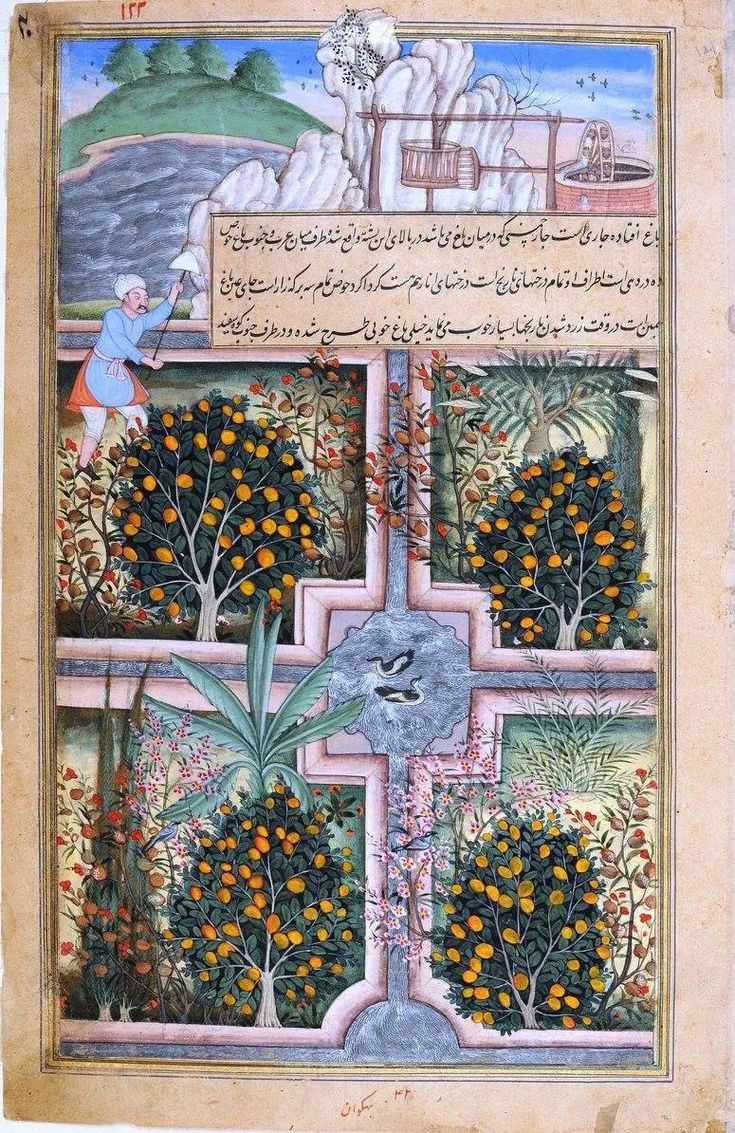
At the heart of Islamic gardens lies the concept of Jannah, the paradise promised to the faithful in Islam. This heavenly-inspired vision serves as the primary influence behind the design and layout of these enchanting spaces. The earliest examples of Islamic gardens can be traced back to the 7th century, during the nascent period of Islamic culture. Yet, it wasn't until the 8th and 9th centuries that the distinctive characteristics of Islamic gardens began to emerge, marking the onset of what we now recognize as the 'Paradise Garden' tradition.
The Earliest Paradises
Our journey into the history of Islamic gardens begins in theAbbasid Caliphate, a golden age of Islamic civilization. It was during this period that the first large-scale, decadent gardens materialized, reflecting the empire's wealth and power. The Round City of Baghdad, completed in the 9th century, is one such example. This grand urban complex boasted a labyrinthine network of gardens, waterways, and palaces, setting a precedent for future garden design.


A significant shift occurred during the 10th century with the birth and expansion of the Fatimid Caliphate in North Africa. Here, Islamic gardens became more integrated with the wider community, often featuring monumental entrances, vast courtyards, and expansive planting schemes. The magnificent al-Azhar Mosque and University complex in Cairo, constructed between 970 and 972, typifies this change, showcasing intricate villas, charity institutions, and lush gardens seamlessly woven into the cityscape.
The Moghul Expansion
Relocating eastwards, we find ourselves in the heart of the Mughal Empire, where Islamic gardens flourished under the patronage of rulers like Babur, Akbar, and Jahangir. Here, Persian and Indian influences converged, giving rise to unique, harmonious gardens that bore witness to the fag end of medieval Islamic history. The iconic Humayun's Tomb (1562-72) in Delhi and the TajMahal (1632-53) in Agra exemplify this style, showcasing geometric patterns, water bodies, and a wealth of flora.


The pinnacle of Mughal garden design can be witnessed at Shalimar Gardens (1641) in Lahore, Pakistan. This monumental complex comprises a series of cascading pools, fountains, and manicured lawns, culminating in a cannon's underscore - an impressive cannon-shaped water spout situating precisely at the garden's axis. The garden's masterful integration of elements symbolizes the union of Nature and divine order, encapsulating one of Islam's most defining aesthetic ideals.
The Enduring Legacy
As the Mughal Empire succumbed towards the 19th century, so did the grand tradition of Islamic gardens. Yet, their impact echoed far and wide. In Persia, Qajar-period gardens such as those surrounding Tehran's Golestan Palace maintained the historic models while incorporating European design elements. Across the ocean in the Americas, passionate explorers acquainted with Islamic culture transported these adornments home, giving rise to balustrades, arbors, and topiary in North American estate gardens.
Today, we continue to ഇവ Católicareats exhibits of Islamic culture worldwide. From exquisite patterned tiles at Spain's Alhambra to serene courtyards in Morocco's riads, the spirit of Islamic gardens endures. By understanding their trajectory through time, we appreciate not just the gardens themselves, but the rich cultural narratives and historical contexts that imparted them with life.


So, is there a garden in your neighborhood that echoes this timeless charm? Maybe it's time to revisit these green oases, for they are not mere repositories of history, but living testaments to humanity's enduring pursuit of beauty, harmony, and spiritual connection.




Related Articles
Islamic Gardens and Architecture: A Historical Journey
Nestled within the vibrant pages of Islamic history and culture lies an exquisite tapestry of art, architecture, and design, beautifully woven into the form of...

Modern Era Definition: A Historical Journey
The modern era, a term often heard in the context of history, refers to the significant period following the Industrial Revolution. It is characterized by...
Islamic Gardens and Architecture at UIUC: A Visual History
Nestled within the sprawling nature of the University of Illinois at Urbana-Champaign (UIUC) lies an extraordinary haven of the past, an eloquent testament to...

200 Years of Rochester Architecture & Gardens: A Historical Journey
Steeped in history and natural beauty, Rochester, New York, has evolved a distinctive architectural landscape and garden culture over the past two centuries...
Discovering Islamic Gardens and Landscapes: A Journey with D. Fairchild Ruggles
Islamic gardens, also known as Charbagh, have been an essential aspect of Islamic art, culture, and architecture since the 7th century. One of the pioneers in...

London Terrace Gardens Wiki: History, Design & Top Spots
Nestled in the heart of London, terrace gardens have long been a defining feature of the city's architectural landscape, offering a delightful blend of...