The Complete Guide to Landscaping for Beginners
Embarking on your landscaping journey can be an exciting and rewarding adventure. Transforming your outdoor space into a beautiful, functional retreat requires a well-planned approach, understanding of key concepts, and a arsenal of essential tools. This comprehensive guide is designed to help beginners navigate the landscaping landscape, ensuring your project is not just visually appealing but also eco-friendly and long-lasting.
Whether you're aiming to create a lush garden oasis, a low-maintenance courtyard, or a picturesque walkway, this guide will empower you with the knowledge and confidence you need to embark on your landscaping journey. By the end, you'll be equipped to design, plan, and execute your dream outdoor space.
Understanding Landscape Principles
Before diving into the nitty-gritty of plant types and hardscaping materials, it's crucial to grasp the fundamental principles of landscaping. These principles guide your design process, helping you create a cohesive, functional, and aesthetically pleasing space.


Understanding these principles enables you to make informed decisions about your landscape, from layout and color selection to material choices. They serve as the blueprint for your design, ensuring your hard work results in a beautiful, harmonious outdoor environment.
Balance
Balance in landscaping refers to the visual weight of elements in your design, creating a sense of equilibrium. Achieving balance can involve symmetrical arrangements, where elements are balanced on both sides of a central axis. Asymmetrical balance, or informal balance, can also create harmony, using pairs of unequal elements to achieve visual equilibrium.


Consider the scale and size of plants, hardscaping materials, and architectural features when aiming for balance. For instance, a large tree on one side of the yard should be balanced by a grouping of smaller trees or a large shrub on the other side. Balanced elements can also be distributed throughout the space to create rhythm and unity.
Scale and Proportion
Scale and proportion in landscaping are concerned with the size and relationship of elements in a space. Ensuring elements are proportionate to one another and the space itself creates a sense of harmony and pleasant atmosphere.
Plants, hardscaping materials, and architectural features should be appropriately sized for the space they occupy. A massive fountain, for example, would overwhelm a small courtyard, while a tiny birdbath would be lost in a expansive garden. Consider the overall layout and impact of elements before making final decisions to maintain a sense of scale and proportion.


Designing Your Landscape
With a solid understanding of landscaping principles, you can now turn your attention to the design process. Great landscape design begins with careful planning, considering the space's unique characteristics, your functional needs, and your stylistic preferences.
A well-crafted design ensures your landscape evolves gracefully over time, adapting to changes in your lifestyle, climate, and the environment. It also helps you make the most of your budget by minimizing waste and maximizing investment in high-impact features.
Assessing Your Site
Before embarking on your design, take the time to carefully assess your site's unique characteristics. Observe the natural light, soil quality, existing vegetation, and drainage patterns. Consider the property's topography, identifying slopes, inclines, and low-lying areas prone to water collection.


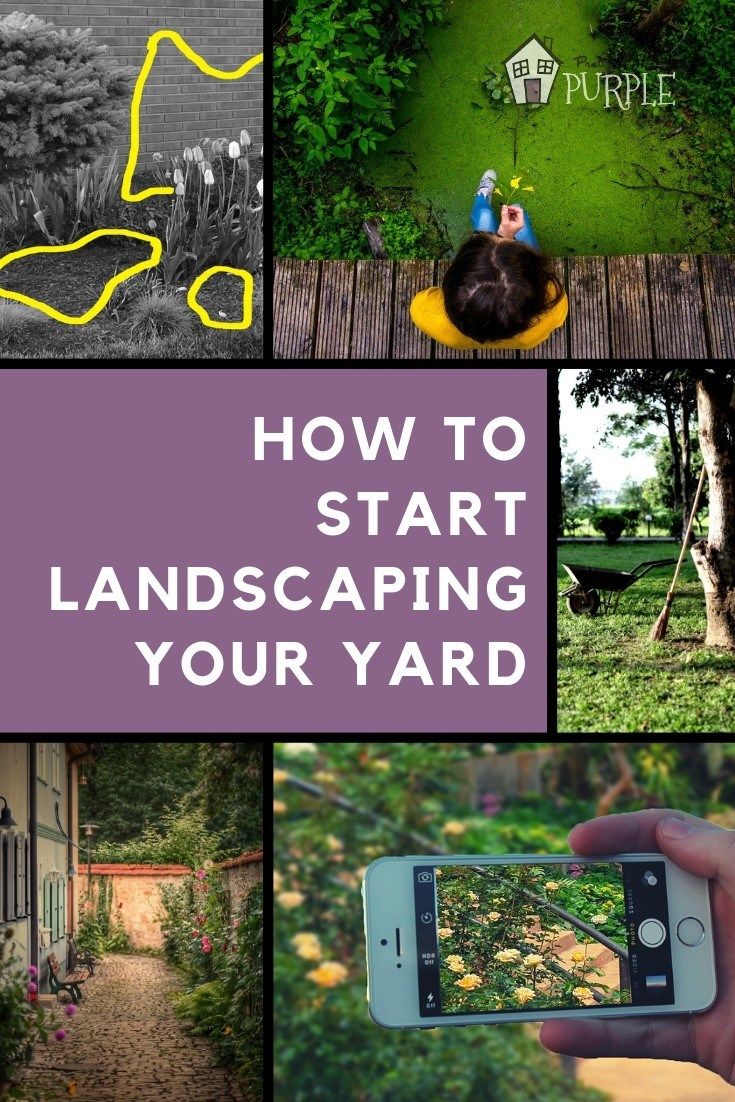


Evaluate your site's microclimates, as different areas may experience different conditions throughout the day. Understanding these factors allows you to select appropriate plants and design features that thrive in your specific environment.
Developing Your Concept
Once you have a solid understanding of your site, begin developing your landscape concept. This stage involves sketching out your design, considering your functional needs, aesthetic preferences, and desired mood or atmosphere. Create a list of primary and secondary functions for your outdoor space, such as entertaining, dining, relaxation, or play.
Define the overall style and character of your landscape, drawing inspiration from a variety of sources, such as natural elements, cultural influences, or historical periods. You may prefer a formal, elegant design or a more casual, rustic aesthetic. Browse gardening and landscaping magazines, attend home and garden shows, and explore online resources to gather ideas and inspiration.
As you finalize your design, consider the long-term impact of your landscape choices. Opt for native and adaptive plant species that require minimal water and care, and select durable, long-lasting materials for hardscaping featuring. With careful planning and eco-friendly choices, your landscape will not only enhance your living space but also contribute to a sustainable, healthy environment.
Embarking on your landscaping journey is an exciting adventure that combines artistry, craftsmanship, and a deep connection to the natural world. By understanding key principles, designing thoughtfully, and making eco-friendly choices, you'll create a beautiful outdoor retreat that reflects your unique personality and enhances your quality of life. So, grab your shovel, embrace your green thumb, and transform your landscape into a sanctuary that's both visually stunning and deeply meaningful.
Related Articles

Hillside Low Maintenance Landscaping: A Complete Guide
Embarking on a hillside landscaping project can be a thrilling yet daunting task, given the unique challenges it presents. Steep slopes, soil erosion, and...

Small Goat Farm Setup: Complete Guide for Beginners
Starting a small goat farm can be a rewarding experience, offering a steady supply of milk, meat, and other useful byproducts like wool and fertilizer. It's...

Best Dwarf Trees for Landscaping: A Guide
When it comes to creating a visually appealing and functional landscape, dwarf trees are a landscaper's best friend. These compact, slow-growing variants offer...

Plant a Thriving Vegetable Garden: A No-Fuss Guide for Beginners
Looking to dive into the rewarding world of gardening but feeling overwhelmed? Fret not! Planting a vegetable garden is an incredibly satisfying and achievable...

Transform Your Front Yard: Australia's Guide to Downward Sloping Landscaping
A downward-sloping front yard is a unique challenge Australian homeowners often face, but when it comes to landscaping, it presents an exciting canvas for...

Enhance Privacy: Expert Guide to Landscaping Along Fence Lines
Do you cherish your privacy but love the outdoors just as much? You're not alone. Privacy landscaping along fence lines has become an art form that allows...