Nature Activities for 1st Grade: Fun & Engaging Ideas
The great outdoors offers an abundance of opportunities for young minds to explore and learn, making nature activities an ideal way to supplement your first grader's schooling. Outdoor experiences can boost creativity, foster a love for learning, and instill a sense of responsibility for the environment. Let's delve into some engaging nature activities perfect for 1st graders.
With their innate curiosity and boundless energy, 6 and 7-year-olds are the perfect age to introduce them to the wonders of nature. These activities not only align with basic educational goals but also help children develop critical thinking, problem-solving, and social skills.
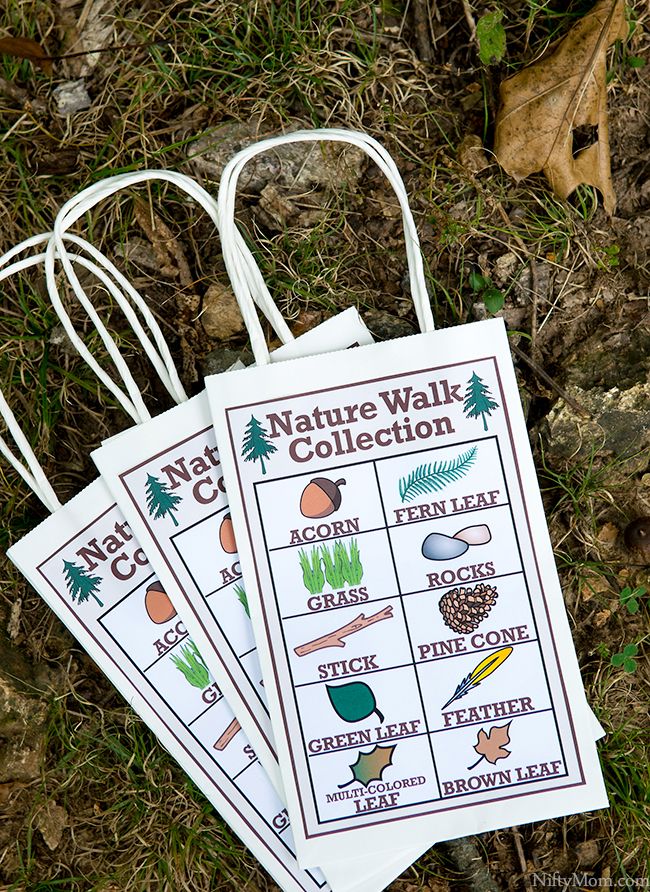
Nature scavenger hunts
Scavenger hunts are a fun and interactive way to help 1st graders observe and appreciate their natural surroundings. You can create lists of items they might find in your backyard or a local park, such as leaves, pebbles, or flowers. To make it more challenging, incorporate colors, shapes, or textures into the items they need to find.


To extend the learning experience, you can also create a simple storyline around the scavenger hunt. For instance, the children could be helping a 'lost' animal find its way home by collecting clues along the trail. This approach combines physical activity with critical thinking and storytelling skills.
Creating a nature collage
Once the children have collected their treasures from the scavenger hunt, they can use them to create a beautiful nature collage. This activity promotes fine motor skills, creativity, and an understanding of texture and color. Encourage the children to consider the arrangement and patterns they create with their natural materials.


You can set up a dedicated space with glue, paper, and other art supplies. Encourage the kids to be creative and add any extra decorations they like. When they're done, their collages can be taken home as a reminder of their outdoor adventure.
Nature walk and logbook
A nature walk with a logbook is another excellent way to engage 1st graders with the natural world. Give each child a small notebook or use a large one for the group. As you walk, encourage them to observe their surroundings and make simple drawings or notes about what they see.
This activity promotes observational skills, literacy, and artistic expression. To make it more engaging, you can introduce a specific theme for the walk, such as 'find something red,' or 'draw a bird or insect.' At the end of the walk, review their logbooks together and discuss their discoveries.


Gardening projects
Gardening is an enjoyable and educational activity that teaches 1st graders about plant life cycles, responsibility, and patience. Start with something simple, like growing sunflowers from seeds or planting a small herb garden. Choose plants that are easy to care for and have visual appeal.
When introducing gardening, explain the basic needs of plants – sun, water, and soil. Discuss the differences between annuals and perennials, and why some plants need to be replanted every year. Encourage the children to ask questions and make observations about the growing process.
Growing sunflowers
Sunflowers are an ideal plant for a first gardening project. They grow quickly, and children can track their progress from seed to tall, sunny flower. Before planting, discuss the different parts of a sunflower with the children – the seed, stem, leaves, and flower. Have them predict what the plant might look like when it's grown.


Plant the seeds in a sunny spot, and as they grow, encourage the children to measure the height of their sunflowers regularly. This activity combines science, math, and observation skills. When the flowers bloom, the children can enjoy a fun craft project by making bird feeders from their sunflower seeds.
Herb garden
An herb garden is a practical and engaging project for 1st graders. Many herbs, such as basil, parsley, and cilantro, are easy to grow and have appealing scents and textures. Before planting, discuss the different herbs with the children and let them smell and touch the leaves. Explain how these herbs are used in cooking and share simple recipes they can help make at home.
Herb gardens can be grown in small pots or window boxes, making them perfect for urban spaces or balconies. As the herbs grow, encourage the children to water and care for the plants. When the herbs are ready to harvest, plan a cooking activity together where the children can use their herbs to make a simple dish, like homemade pesto or herb-seasoned bread.
Introducing 1st graders to nature activities sets them on a lifelong path of curiosity, wonder, and appreciation for the natural world. Through scavenger hunts, collages, nature walks, and gardening projects, children develop essential skills while having fun and making lasting memories. So, grab your sun hats and lets embark on an outdoor adventure today!"
Related Articles

"15+ Engaging Backyard Activities & Ideas Your Kids Will Love"
Turn your backyard into a fun-filled destination for your kids with creative and engaging ideas. By incorporating an array of activities, you can foster a love...

Outdoor Sensory Activities for Toddlers: Fun & Engaging Ideas for 2-Year-Olds
At two years old, children are rapidly developing their senses and beginning to interact with the world around them. Outdoor sensory activities offer an...

50+ Engaging Nature Walk Ideas for Toddlers
Introduce your little ones to the great outdoors with these exciting and engaging nature walk ideas for toddlers. There's no better way to foster a love for...
25 Engaging Nature Walk Ideas for Kids
Embarking on a nature walk with kids can be an enriching and joyful experience. It's an opportunity for them to explore, learn, and create lasting memories...

Family-Friendly Garden Activities: Fun & Engaging Ideas for All Ages
Spring is in the air, and that can only mean one thing: it's time to get the family out into the garden! Gardening is not only a rewarding hobby, but it's also...

FUN Yard Work Ideas for Kids: Engaging Activities
Spending time outdoors is not only fun but also beneficial for children's physical and mental health. Engaging kids in yard work can teach them responsibility...