Is Paper Ash Good for Plants?
Ever wondered if the ash from your fireplace could be repurposed as a nutrient source for your plants? The answer might surprise you. While paper ash can indeed provide some benefits, it's not as simple as just sprinkling it on your garden.
The primary component of paper ash is potassium, anecessary macronutrient for plant growth. Additionally, it contains small amounts of other essential nutrients like phosphorus, calcium, and magnesium. However, using paper ash as fertilizer isn't without its considerations.
Understanding Paper Ash for Plants
To utilize paper ash effectively, it's crucial to understand its composition and potential impacts on soil pH.


Paper ash is alkaline, with a pH typically ranging between 8 and 12. This can significantly alter your soil's pH, which could be detrimental if not managed properly. Most plants prefer a pH between 6 and 7, so dramatic changes could potentially hinder their growth.
Soil pH Considerations
Before applying paper ash, it's recommended to test your soil's pH. If it's already alkaline, adding more could create an imbalance. However, if your soil is naturally acidic, paper ash can help raise its pH. Always monitor your soil's pH post-application and adjust as needed.


A simple home test kit can measure your soil's pH. If the pH is below 6, consider adding paper ash. However, if it's above 7, consider avoiding paper ash or diluting it with other materials.
Nutrient Benefits
While it's essential to be mindful of pH changes, paper ash also offers nutrient benefits. Potassium encourages flowering and fruiting, while calcium strengthens cell walls and promotes root growth. Phosphorus, while present in minimal amounts, aids in energy transfer and nutrient utilization.
Rather than applying ash directly, consider creating a liquid fertilizer by dissolving ash in water. This dilutes the alkaline content and allows for easier application and management. Additionally, adding a small amount of ash to your compost pile can help balance its carbon-to-nitrogen ratio.


Safe Application Methods
Now that you understand the potential pros and cons, let's discuss safe application methods.
Never apply paper ash directly to plant roots or leaves, as this can cause burns. Instead, spread a thin layer over the soil, no more than 1/8 inch thick. For smaller areas, use a sieve or screen to help achieve an even distribution.
Tomato and Pepper Plants
Some plants, like tomatoes and peppers, are particularly sensitive to potash deficiencies. Paper ash can be beneficial for these, but again, monitor your soil pH and adjust accordingly.


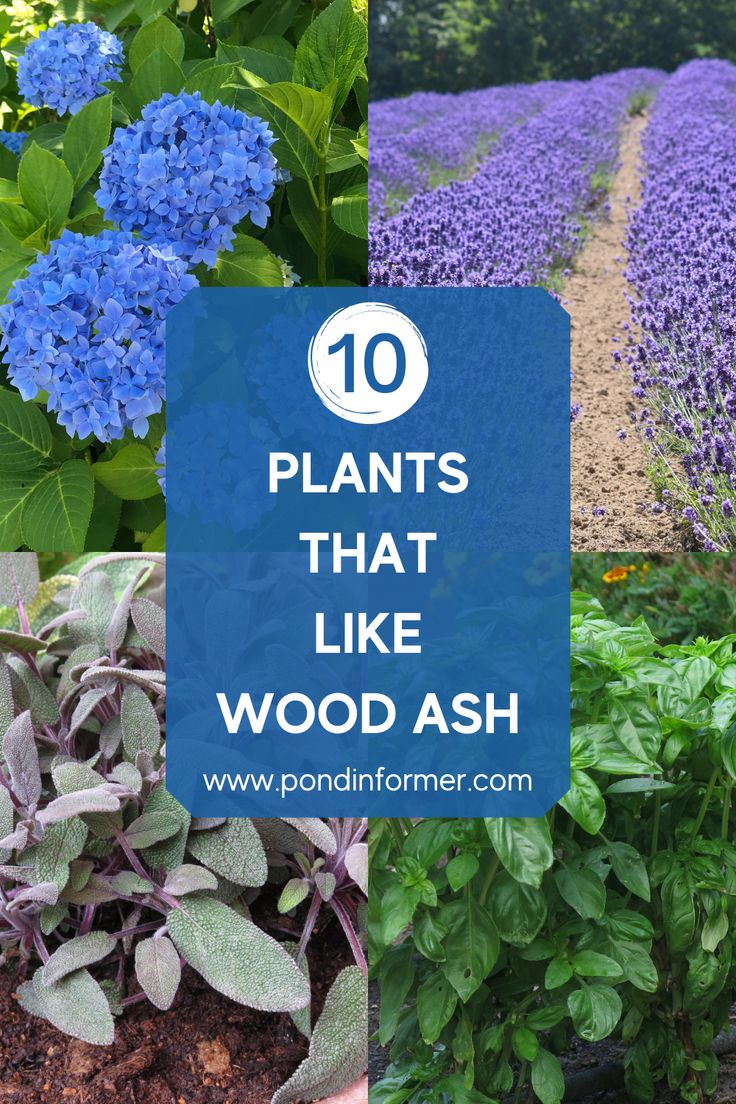


However, do not use paper ash on acid-loving plants like blueberries, azaleas, and rhododendrons. The alkaline nature of paper ash could harm these plants.
Composting and Mulching
Another way to use paper ash is by incorporating it into compost. The high carbon content can help maintain a balance and encourage microbial activity. Additionally, wood ash makes an excellent mulch for certain plants, particularly those that thrive in alkaline conditions.
However, please note that the benefits of mulching with paper ash are more applicable to woody plants or those in arid regions, where water conservation is key.
In essence, paper ash can be a valuable resource, but it's crucial to use it judiciously. It's all about balance - too much can alter your soil's pH, but too little may not provide significant benefits. Always test your soil before and after application, and adjust as needed to create a thriving environment for your plants.
Related Articles

Best Plants for Shady Gardens: Thriving in Low-Light Spaces
If you're a green-fingered individual with a shady garden, you're in luck! There are numerous plant species that thrive in partial or full shade, transforming...

Rocks in Soil: A Boon or Bane for Your Plants?
Rocks in soil, a common sight in most gardens and landscapes, often raise questions about their impact on plant health. Many gardeners wonder, "Are rocks in...

Best Outdoor Plants for Small Pots
The joy of plants doesn't have to be confined to sprawling gardens or grand terraces. Small pots can be powerful canvases for lush greenery, and selecting the...

Is Gravel Good for Plants: A Complete Guide
Gravel has been gaining traction as a growing medium for plants, but the age-old question remains: is gravel good for plants? The answer isn't as...

Coffee Grounds: The Secret Superfood for These Vegetable Plants
Have you ever considered repurposing your spent coffee grounds beyond composting or disposing of them? These humble used-up beans may be the secret ingredient...

Best Privacy Plants for Balcony
Have you ever considered transforming your balcony into a private oasis, shielded from the prying eyes of neighbors and passersby? Balcony privacy, while often...