Effortless Guide: Planning a Vegetable Garden
Spring heralds the joy of planting, as we begin to plan our vegetable gardens. Whether you're a seasoned green thumb or a blossoming gardener, the journey to a bountiful harvest begins with thoughtful planning. Here, we'll guide you through this delightful process, ensuring your garden blooms with not just beauty, but also a cornucopia of fresh produce. Let's dive in!
Firstly, consider the space you have. It could be a sprawling backyard or a compact balcony. No matter how big or small, every space can yield a plentiful harvest.-layout and design decisions will be key to maximizing your available area. Reflect on what crops you'd like to grow. Are you a fan of crisp salads? Then, leafy greens like lettuce and spinach should be high on your list. Love a hearty stew? Potatoes, carrots, and beans will be your allies.
Selecting the Right Vegetables
Choosing the right vegetables is half the battle won. Consider their growth habits and needs when selecting. Some plants, like tomatoes and cucumbers, are heavy feeders and require ample space, while others, like herbs and lettuce, thrive in smaller plots. Also, think about succession planting - replacing fast-maturing crops with slower ones to keep your garden productive all season long.


Moreover, consider factors like climate and soil type. Some vegetables, like okra and eggplants, thrive in warm weather, while others, like spinach and kale, prefer cooler temperatures. Similarly, soil type plays a crucial role. Most vegetables prefer well-drained, fertile soil, but some, like sweet potatoes, can tolerate less-than-ideal conditions.
The Power of Companion Planting
Companion planting is an ancient farming practice that involves strategically planting different crops together to create a harmonious garden ecosystem. This method can deter pests, enrich the soil, and even enhance the flavor of your vegetables. For instance, marigolds can help repel pests from tomatoes, while basil can boost the growth and flavor of nearby peppers. Experiment with different combinations to see what works best in your garden.


Companion planting also helps with efficient use of space. By planting Tall رود tall, stalky vegetables like corn or beans with shorter plants like lettuce or herbs at their base, you can maximize your garden's yield. This arrangement is similar to the Native American tradition of "The Three Sisters," where corn, beans, and squash are planted together in a mutually beneficial symbiotic relationship.
Rotation and Succession Planting
Crop rotation and succession planting are both essential practices to keep your garden healthy and productive. Rotating plants prevents the depletion of soil nutrients and reduces the risk of disease. Start by dividing your vegetable garden into sections based on plant families - use one section for each family in the first year, then rotate the plants to a new section the following year.
Succession planting involves sowing quick-maturing crops - like lettuce, radishes, or bok choi - in blocks between slower-growing vegetables - like tomatoes or cabbages. This way, you can harvest multiple crops from the same space within a single growing season. It's like having a compact, high-yielding supermarket right in your backyard!


Preparing Soil and Laid Out Your Garden
Good soil is the foundation of any successful vegetable garden. Test your soil's pH and nutrient levels, then amend it with compost or organic fertilizer as needed. Vegetables generally prefer a pH between 6.0 and 7.0. Also, ensure your soil is well-draining to prevent root rot and promote healthy plant growth.
Now, it's time to lay out your garden! Visualize a chessboard - each square represents a different vegetable or group of plants. Use graph paper to sketch out your design, making sure to account for the size of fully grown plants and the different space requirements for various vegetables. This stage is where all your planning comes together!
dividend Your Garden Space Efficiently
Optimize your garden space using techniques like raising beds, vertical gardening, and container planting. Raised beds help improve soil drainage and provide easier access to plants. Vertical gardening, using trellises, cages, or towers, saves space and encourages upward growth in plants like peas, cucumbers, or pole beans. Finally, container gardening is ideal for small spaces or for growing specific crops that require controlled conditions.


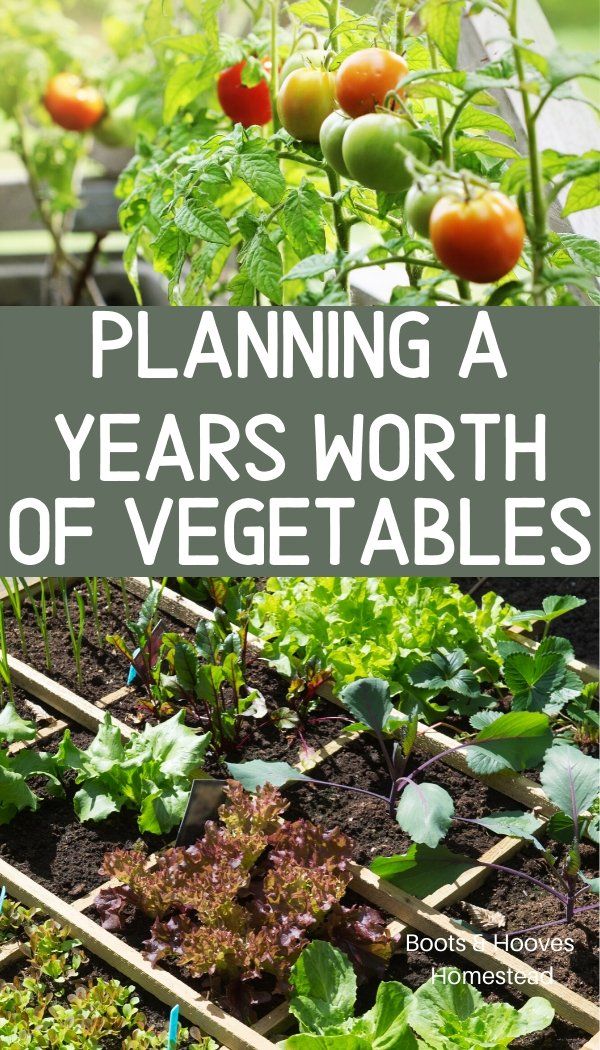


Another clever method is to use row covers - light, breathable fabric that lets sunlight and water through while protecting plants from pests and cold snaps. They can extend your growing season and keep your garden productive even in less-than-ideal weather.
With careful planning and dedication, your vegetable garden will flourish, providing you with a bounty of fresh, homegrown produce. So, grab your gardening gloves, get your hands dirty, and watch your plants - and your dinner table - reap the benefits of your efforts. Happy gardening!
Related Articles

"Mastering Small-Space Vegetable Gardening: A Planning Guide"
Transforming a small patch of land into a thriving vegetable garden is an rewarding endeavor that both adults and kids can enjoy. Creating a productive garden...

Plan Your Perfect Pair: A Comprehensive Guide to Vegetable Gardening for Two
Embarking on a shared gardening adventure can be an exciting and rewarding experience, especially when it comes to growing your own vegetables. With a...

Flower and Vegetable Garden Layout: Design & Planning Guide
Creating a harmonious flower and vegetable garden layout isn't just about planting your favorite blooms and veggies. It's about designing a space that's both...

In-Ground Vegetable Garden Layout: Design & Planning Guide
Harvesting fresh, homegrown vegetables is a delight that many gardeners cherish. A well-designed in-ground vegetable garden layout not only maximizes your...

Ultimate Guide: Vegetable Box Garden Planner
Spring is the season of renewal, and there's no better way to embrace it than by starting your own vegetable box garden. Whether you're a seasoned gardener or...

Plant a Thriving Vegetable Garden: A No-Fuss Guide for Beginners
Looking to dive into the rewarding world of gardening but feeling overwhelmed? Fret not! Planting a vegetable garden is an incredibly satisfying and achievable...