Rose Border Companion Plants: The Perfect Partners for a Lush Garden
Adding rose border companion plants is a strategic gardening method that not only enhances the aesthetic appeal of your rose garden but also promotes plant health and biodiversity. By carefully selecting the right plants to combine with your roses, you can create striking color contrasts, improve soil health, and deter pests. Let's delve into the world of companion planting and explore the best plant partners for your rose borders.
Companion planting, a practice that dates back centuries, involves strategically placing plants together to create mutually beneficial relationships. Roses, as they are both beautiful and demanding, can greatly benefit from the company of certain plants. But which ones? Let's begin by discussing two key considerations when choosing rose companions: nutritional needs and pest control.
Nutritional Needs
Roses are heavy feeders, meaning they require a generous supply of nutrients to grow and bloom prolifically. By planting nutrient-rich companions, you can enrich the soil and ensure your roses receive adequate nourishment.


One such nutrient-rich companion is beans. These legumes are nitrogen fixation champions, meaning they naturally convert atmospheric nitrogen into a usable form for adjacent plants. Planting beans near your roses will not only provide them with much-needed nitrogen but also help propagated and cash crops such as squash or cucumbers, if planted in the same bed.
Dynamic Accumulators
Dynamic accumulators are plants that amazed ancient civilizations with their ability to mine the deep soil for nutrients and bring them up to the surface, enriching the topsoil. Many of them are deep-rooted perennials that, once established, create robust, healthy soil perfect for roses. Examples include comfrey and borage.


Comfrey (Symphytum officinale) is so effective at mining soil nutrients that it's often used in green manure crops. Its long taproots access phosphorus and calcium from below, while its extensive leaf network captures nitrogen, potassium, and trace minerals from above.mail
Fertilizing Cover Crops
Cover crops like winter rye and clover serve as living mulches that suppress weeds, prevent soil erosion, and enrich the soil with nutrients. Among them, red clover (Trifolium pratense) stands out as an exceptional rose companion, adding nitrogen to the soil and attracting beneficial pollinators like bees and butterflies.
Once the season is right, turn these cover crops into the soil, where they'll decompose and release their nutrients, fertilizing your roses naturally. Just be sure to cut them short before they set seed to prevent unwanted proliferation throughout your garden.


Pest Control
Roses are often targeted by a wide array of pests, including aphids, spider mites, and various insect- and virus-borne diseases. Incorporating pest-repellent companion plants can help deter these unwelcome visitors, keeping your rose garden thriving.
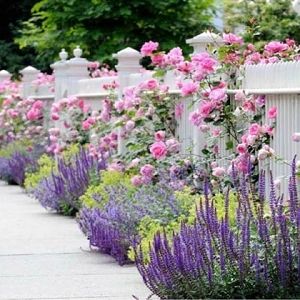
Strong-smelling herbs such as lavender, chives, mint, and sage are excellent companions for roses. Not only do they deter pests through their potent aromas, but these fragrant herbs also attract pollinators and beneficial insects like bees and lacewings, which naturally help control pests.
Pest-Resistant Foliage
Certain plants, such as artemisia, oregano, and rosemary, have fibrous, silver-colored, or fur-sembling foliage that naturally repels pests like aphids, roaches, and beetles. Their coarse, resistant leaves make it challenging for pests to feed or lay eggs, keeping your roses healthier and more resilient to infestations.


Moreover, these pest-resistant plants often share similarity in water and light requirements with roses, making them compatible in most garden settings.
Sycamore Acre
While not a single plant, Sycamore Acre deserves special mention in the context of pest control. This ingenious design combines a diverse mix of plants, including roses, into a tightly knit, layered planting system that promotes predatory habitat, improving pest management naturally.
By interplanting roses with herbs, vegetables, and annual flowers, you create a thriving ecosystem that attracts beneficial insects and bolsters pest resistance. Using this method, you can grow a healthier, more resilient rose garden while minimizing pest issues.
Beauty and utility
Assertive as they are, roses can overshadow less showy companions if not cared for properly. However, choosing the right combination of plants adds depth, color, and texture to your rose borders, creating visually stunning displays while complementing your roses' star power.
Lining your rose beds with low-growing, mounding plants like different species of thyme or used as edging, you can create a soft transition between your roses and adjacent borders. These aromatic herbs also serve as a living mulch, suppressing weeds and improving soil structure while contributing to the overall beauty of your garden.
Color Contrast
радиального орнамента garden design principles, plant companions in contrasting colors to make your roses shine. Cool-colored companions, such as blues, purples, and whites, provide a striking backdrop for warm-toned roses, while warm companions, like oranges, yellows, and reds, complement cool-colored roses beautifully. Experiment with different color combinations to create Popup Windowstunning visual effects in your rose garden.
For example, planting 'Iceberg' (white) and 'Gertrude Jekyll' (deep apricot) roses together creates a captivating display, while interspersing 'William Shakespeare 2000' (espionage dark crimson) roses with 'Ena Harkness' (white) and 'Westerland' (yellow) companions adds depth and dimension to your garden.
Height and Form
Combining roses with plants of varying heights and forms creates depth and interest in your garden. Tall, upright plants like delphiniums or hollyhocks add drama and draw the eye upward, while low-growing companions like lamium or lady's mantle fill in spaces and create lush textures. Don't overlook the value of vertical elements such as trellises or arbours, which can support climbing roses and other vine-like companions like clematis or jasmine.
Incorporating plants with unusual forms and textures, such as hydrangeas or sculptural grasses, also adds layers of interest to your rose borders. For instance, planting 'Snowgoose' hydrangea (panicle hydrangea 'Snowgoose') among your roses provides a stunning contrast of shape, color, and texture that captivates onlookers.
Incorporating companion plants into your rose garden is an exciting journey that transforms your space into a vibrant, dynamic ecosystem. By carefully selecting plants that complement your roses' nutritional needs, pest control, and aesthetic appeal, you'll cultivate not just a beautiful garden, but a thriving, interconnected web of life. As you explore and experiment with different companion plant combinations, you'll discover the boundless potential of your garden and the joy of nurturing a richer, more resilient landscape.
Related Articles

Beginner's Guide to Vegetable Garden: Perfect Companion Plants & Layout
Embarking on your first vegetable gardening adventure? Great! One of the most rewarding aspects of this endeavor is creating a thriving ecosystem in your...

compact Climbing Roses: The Perfect Touch for Small Gardens
Nestled beneath the sprawling branches of ancient trees and amidst the vibrant dance of butterflies, a climbing rose small garden can be both a sanctuary of...

Fortify Your Garden: Sturdy Metal Stakes for Perfect Edging
Transform your garden into a haven of order and beauty with garden border metal stakes. These versatile, durable, and stylish accessories not only define your...

Shade-Loving Rock Garden Plants: Perfect for Low-Light Gardens
Discover the captivating world of shade-loving plants and transform your garden into a lush, verdant oasis with our comprehensive guide on shade rock garden...

Fence Border Designs: Exclusive Ideas for Perfect Garden Edging
Fencing isn't just about dividing or containing spaces; it can also become a decorative and aesthetic feature, thanks to variety in fence border designs. From...

Perfect Timing: When to Visit Portland's Rose Garden
Nestled in the heart of Portland, the International Rose Test Garden is a must-visit destination, especially for avid gardeners and nature lovers. This...