No Buds on Your Rose Bush?
Are you frustrated about your rose bush not producing any buds? You're not alone. Many gardeners face this issue, but with some insight and care, you can troubleshoot and resolution is within reach. Let's delve into the reasons behind a rose bush with no buds and how to fix it.
Rose bushes, with their vibrant colors and enticing scents, are a staple in many gardens. However, when these beloved plants fail to produce buds, it can be disheartening. Understanding the causes and remedies can help you revive your rose bush and encourage glorious blossoms.
Common Causes of No Buds on Rose Bush
Several factors can prevent your rose bush from forming buds. Let's explore the most common ones.


Inadequate care, improper planting, insufficient water, lack of nutrients, too much or too little sunlight, excessive pruning, diseases, and pests are among the main culprits. Let's dive into each of these issues.
Lack of Pruning
Neglecting to prune your rose bush can hinder bud production. Overgrown branches compete for nutrients, leaving your plant weak and less likely to produce buds.


Prune your rose bush in late winter or early spring, removing dead or damaged canes and limiting new growth to about one-third of the plant. This encourages bushiness and promotes budding.
Improper Watering
Either underwatering or overwatering can discourage bud formation. Roses need consistently moist soil, but they can't tolerate soggy conditions.
Ensure your rose bush receives about 1 inch of water per week, adjusting for rainfall and weather conditions. Allow the top 1 inch of soil to dry out between waterings.


Encouraging Bud Formation on Rose Bush
Once you've identified and addressed the underlying causes of your rose bush's failure to produce buds, here are some additional steps to encourage blossoming.
Proper care, timely application of nutrients, and a little patience are all that's needed to bring your rose bush back to blooming health.
Proper Feeding
Roses are heavy feeders and require regular nourishment to produce buds and flowers. Use a balanced, slow-release rose fertilizer in early spring, and continue feeding every 4-6 weeks throughout the growing season.


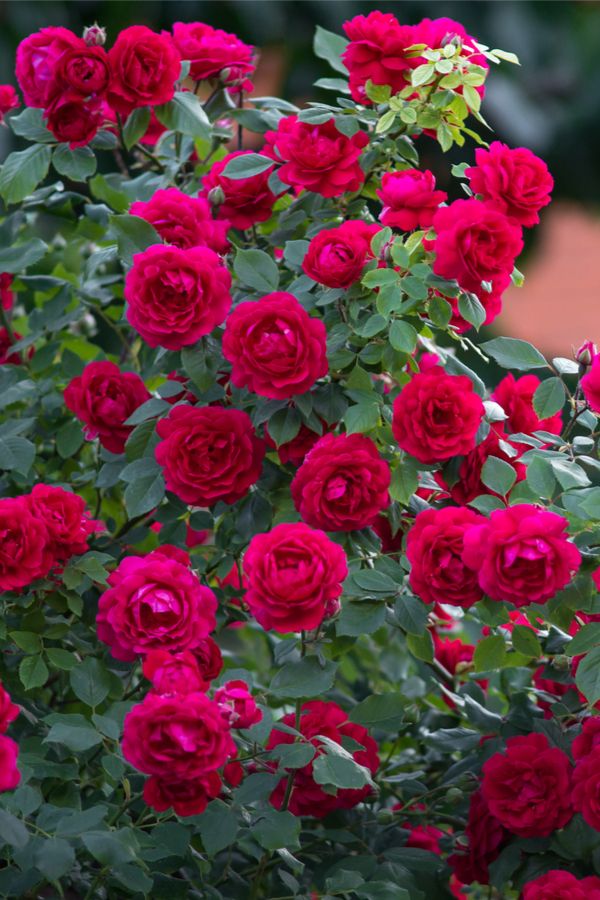


Consider applying a liquid rose food or foliar spray to give your plant an additional boost of nutrients. Alternatively, you can make your own rose fertilizer using organic ingredients like compost, manure, or bone meal.
Providing Adequate Sunlight
Roses need full sun to partial shade to thrive and produce buds. Ideally, they should receive at least 6 hours of sunlight daily.
If your rose bush is not receiving enough sunlight, consider transplanting it to a sunnier location. However, be cautious not to move your plant too drastically, as this can cause stress and temporarily halt bud production.
Mulching
Mulching your rose bush serves numerous purposes, including conserving moisture, suppressing weeds, and regulating soil temperature. Applying a 2-3 inch layer of organic mulch around the base of your plant can help encourage budding.
Use materials like straw, grass clippings, or shredded leaves for mulching. Avoid using fresh manure or other nitrous-rich materials, as these can burn young plants.
In conclusion, don't be discouraged if your rose bush fails to produce buds. By understanding the causes and implementing the right care, you can revitalize your plant and enjoy a stunning display of blossoms. With a little patience and some TLC, your rose bush will reward you with beautiful blooms, time and time again. Happy gardening!
Related Articles

When to Plant Rose Bushes: Timing Your Beauty's Bloom
Planting a rose bush at the right time is crucial for its health and longevity. The blooms you admire are the result of the bush's response to specific...

Revive Your Rose Bush: Expert Tips to Bring It Back to Life
Is it possible to bring a seemingly lifeless rose bush back to life? The short answer is yes, with a little patience and care. Roses are generally hardy...

Revive Your Wilted Rose Bush: Expert Tips to Save Dried-out Shrubs
Looking at your once vibrant rose bush now reduced to a parched and brittle display of its former self can be disheartening. But fear not, all is not lost...

Revive Your Rose Bush: Can You Save a Dying One?
Have you noticed your rose bush losing its vibrant hue, the leaves diminishing, and the once-lush flowers wilting? Don't despair; it's not necessarily the end...
Transform Your Front Yard: Ultimate Guide to Growing Rose Bushes
Transforming your front yard into a lush, fragrant paradise is a rewarding endeavor, and incorporating rose bushes is an excellent starting point. Roses are...

Does Your Rose Bush Need Support?
Keeping a rose bush healthy and thriving involves more than just regular watering and pruning. Supporting a rose bush is a crucial aspect of rose gardening...