Tree Root Cover Ideas: Top Materials for Protection & Aesthetics
When dealing with tree roots that interfere with your garden, pathways, or property, it's crucial to address the issue safely and effectively. Here, we explore various methods to cover or manage tree roots, preserving your landscape's aesthetic and your home's structural integrity.
Before we delve into the solutions, remember that prevention is always better. Regular pruning, ensuring sufficient space for roots to grow when planting, and planting species suitable for your area can prevent root problems.
Physical Coverage Options
Sometimes, the best approach is to hide the roots in plain sight. Here are a few aesthetically pleasing ways to cover them:


Mulching
Mulching is an excellent way to disguise roots while benefiting your plants. Organic mulches like wood chips, bark, or pine straw can help retain moisture, regulate soil temperature, and suppress weeds. Place a 2-4 inch layer around the base of the tree, keeping it away from the trunk to prevent rot.

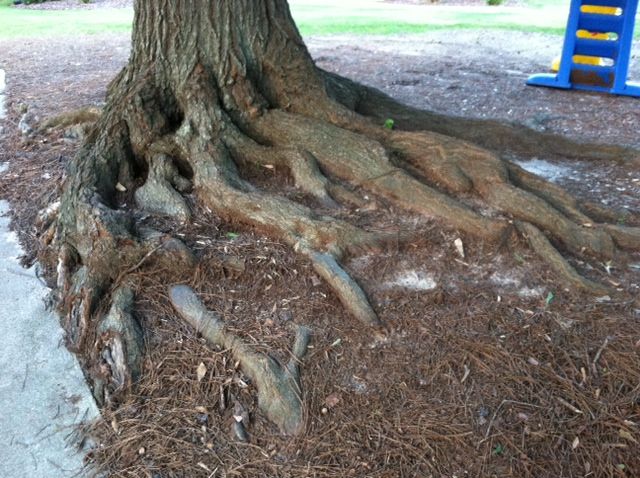

Pro Tip: Use materials that complement your landscape's color scheme and texture for a cohesive look.
Ground Covers
Low-growing plants can hide roots and add beauty to your garden. Choose from a variety of spreading plants, such as pachysandra (deadnettle), vinca (periwinkle), or creeping Jenny (Lysimachia nummularia). These plants grow close to the ground and form dense mats that conceal roots effectively.
caution: Ensure the plants you choose are non-invasive and won't compete with your existing vegetation for resources.


Structural Solutions
If roots are causing structural damage or creating trip hazards, consider these more robust solutions:
Root Barriers
Root barriers, typically made of plastic, metal, or concrete, can guide root growth and prevent them from spreading into unwanted areas. Install these barriers deep enough to intercept most root activity, usually between 12-18 inches below the soil surface.


Note: Root barriers should be used with caution, as they can potentially harm the tree if not installed correctly or if they restrict the tree's rooting area excessively.
Root Pruning
Pruning tree roots involves cutting specific roots to control their growth. However, this method should be used judiciously, as excessive or improper pruning can stress the tree and make it vulnerable to diseases and pests. Always consult a certified arborist before attempting root pruning.
When to consider root pruning: When roots are causing significant damage, or the tree is growing in a confined space, such as near a foundation or under a patio.
Alternative Gardening Practices
Sometimes, addressing the root issue requires rethinking your garden design. Here are a couple of alternative landscaping ideas:
Raise Your Yard
Install a raised bed or elevate the garden area where roots are problematic. This approach separates the tree's root zone from the rest of your garden, preventing interference with other plants. It also adds visual interest to your landscape.
Tip: Choose a waterproof material for the raised bed to prevent root intrusion and maintain soil moisture.
Create a Root-Friendly Landscape
Design your garden with tree roots in mind. Incorporate shallow-rooted plants, shrubs, and annuals around the tree, leaving space for root growth. Use pathways, patios, or decking to navigate around rather than through the root zone. Opt for hardscaping materials that can accommodate root growth, such as gravel, stepping stones, or flexible pavers.
Key Takeaway: Plan your garden considering the tree's root system; incorporate plants, hardscaping, and garden features around it.
In thinking about the future of your garden, it's essential to consider both the immediate and long-term effects of tree roots. By choosing the appropriate method to manage or cover roots, you can create a beautiful, functional landscape that withstands the test of time. Happy gardening!
Related Articles

Best Methods to Cover Exposed Tree Roots: A Comprehensive Guide
Exposed tree roots can pose both aesthetic and safety issues in your landscape. They can be an eyesore, trip hazards, and may even damage property over time...

Optimize Raised Bed Covers: Top Materials for Protection & Growth
Raised garden beds are a boon for gardeners, offering numerous benefits such as improved soil health, better drainage, and easier maintenance. However...

Quickly Cover Tree Stumps: Best Plants to Grow & Hide Unsightly Roots
Have you recently removed a tree from your landscape, leaving behind a noticeable tree stump? Don't let that empty space go to waste. Covering a tree stump...

Ideas to Cover Tree Roots
If you're looking for effective ways to protect your lawn or garden from the invasive roots of nearby trees, you've come to the right place. Tree roots can be...

Under Pine Trees: Top Ground Cover Ideas for Aesthetics & Low Maintenance
If you're considering what to put under pine trees, you're probably looking to transform your garden into a cozy, inviting space. Pine trees, with their dense...
Best Mulch & Fabrics To Cover Tree Roots: A Comprehensive Guide
Tree roots are an essential part of a tree's life, but sometimes, they can pose challenges, especially when they start appearing above ground or invading your...