What to Put on Canvas for Painting
When embarking on a painting project, one of the first decisions you'll make is what surface to use. Canvas is a popular choice for several reasons, but deciding what to put a canvas on to paint can be slightly more complex. This is because canvas is typically not used alone but is stretched over a support or subframe, providing a stable surface for your artwork.
To optimize your painting experience and create a durable piece of art, it's crucial to understand the various options available for supporting your canvas. In this article, we will explore the most common methods, their pros and cons, and the tools you'll need to achieve the best results.
Stretching Canvas onto a Frame
One of the most traditional ways to display and paint on canvas is to stretch it over a wooden frame, also known as a stretchable frame or artist's frame. This method has been used for centuries by artists and offers several benefits.


Stretching canvas onto a frame provides a taut, flat surface for painting, allowing for easier blending and better control over your brush strokes. Additionally, it's an excellent option for those who prefer a more professional look at an affordable price, as frames are usually inexpensive and widely available at art supply stores.
Steps to Stretching a Canvas onto a Frame
Stretching a canvas over a frame can be accomplished using these steps:


- Cut your canvas to the desired size, making sure to add a few inches on each side for stretching.
- Lay the frame face down, and center your canvas on top, face up.
- Apply staples along the edges of the frame, pulling the canvas tight as you go, and ensuring it's secure.
- Use spacers to maintain an equal space between the back of the canvas and the frame, providing room for framing and wire hanging.
Before you start, gather your materials: canvas, wooden frame, staple gun with 1/4-inch staples, spacers, and heavy-duty glue for the corners. Work on a flat, well-lit surface, and don't forget to wear gloves to protect your hands from staple cuts.
Considerations and Disadvantages
Stretching canvas onto a frame is a great option for most artists, but it's not without its challenges. For instance, it's less portable than other support methods, making it more difficult to transport. Additionally,.Image restoration and repair can be more complicated for stretched canvases, especially if the frame suffers damage.
Moreover, if you're selling your artwork, a stretched canvas may not appeal to buyers who prefer to frame their purchases themselves. In such cases, you might want to consider other support options or offer your artwork unstretched for more versatility.


Board Supports
Another viable option for canvases is to attach them to rigid board supports, such as plywood, Masonite, or foam board. This method provides a firm, stable surface for painting and allows for easy transport and display. Board supports are a popular choice among artists who prefer to work on a more substantial surface or create large-scale pieces.
To attach your canvas to a board support, you can use heavy-duty glue, staples, or specialized corner securers. You can also purchase pre-made hard canvas panels, which are essentially canvas stretched over a rigid surface, ready for painting.
Advantages of Board Supports
Board supports offer several advantages over traditional stretched frames. They are highly portable, making them ideal for artists who like to paint on location. Additionally, they can be more affordable than wooden frames, especially for larger canvas sizes. Board supports also minimize the risk of warping or sagging, ensuring your artwork's longevity.


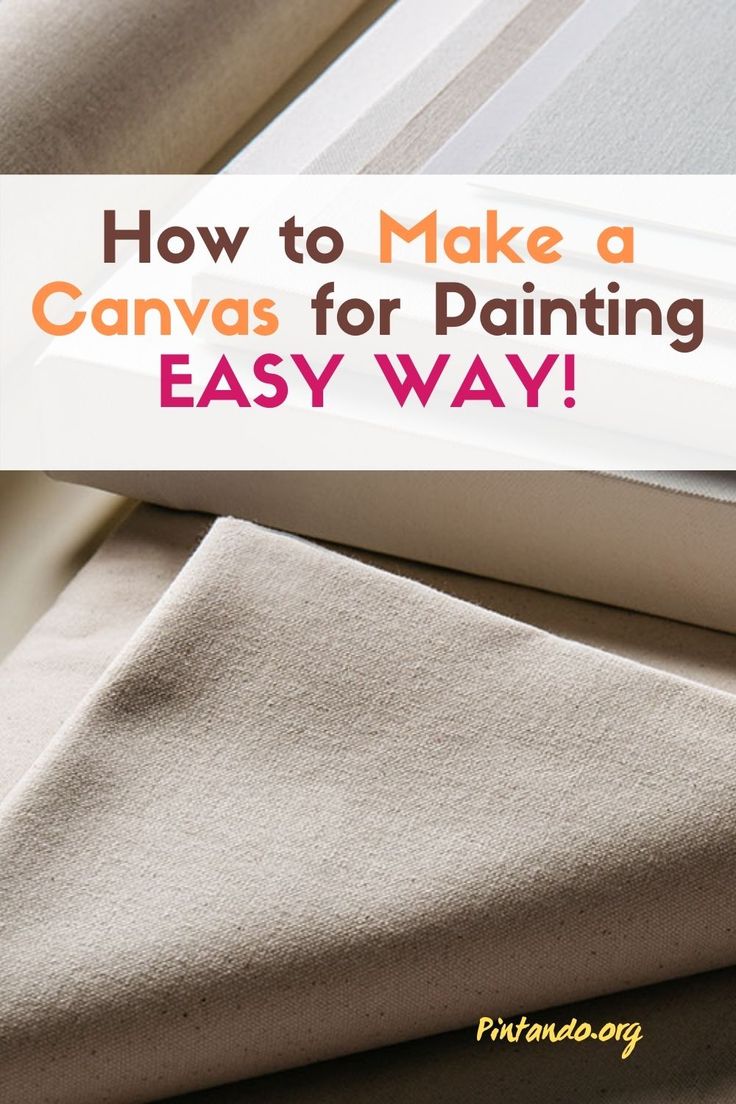


Furthermore, board supportsallow for more creative display options. They can be hung using saw-tooth hangers, placed on easels, or even used as tabletop display pieces. The possibilities are endless, allowing you to showcase your artwork in unique and imaginative ways.
Disadvantages of Board Supports
Despite their many benefits, board supports also have some drawbacks. The primary concern is that they can feel less authentic or premium to some art collectors, who may prefer traditional stretched frames. Additionally, they might not be suitable for larger-scale pieces due to the increased weight and bulkiness.
Moreover, attaching canvas to a board support requires some skill and the right tools. DIY attachment methods might not provide the same level of professionalism as those offered by pre-made hard canvas panels.
Ultimately, the choice of support depends on your individual preferences, the type of artwork you're creating, and the display conditions. Traditional stretchable frames, board supports, and even clip frames are all viable options that cater to different needs and styles. So, explore the various methods, weigh the pros and cons, and select the one that best complements your artistic vision and goals. Happy painting!
Related Articles

Enchanting Kids Paint Ideas: Beautiful Canvas Inspiration
Unleash your little ones' creativity with beautiful painting ideas that are not only fun but also educational. Engaging kids in art fosters imagination...

Black Rock Painting Ideas: Bold Art on Dark Surfaces
Ever found yourself armed with a black rock and a paintbrush, wondering what would breathe life into this seemingly ordinary stone? Well, you've come to the...

Easy Rock Painting Ideas: What to Paint on a Rock
Embarking on a creative journey with simple, natural materials can be incredibly rewarding. Painting on rocks is a fun, eco-friendly, and beginner-friendly...

Triangle Rock Painting Ideas: 10 Inspiring Designs
That peculiar shaped rock in your garden or that unique stone found during your hike might actually spark creativity in your DIY art projects. Transforming an...

Best Paints for Outdoor Plant Pots: Top Choices & Tips
Transforming your outdoor space into a vibrant oasis starts with the right canvas - painting your plant pots. But with numerous paint options available...

Transform Big Rocks: Unique Painting Ideas
Transforming ordinary rocks into stunning masterpieces is a rewarding challenge. If you're fortunate enough to have large rocks on your property, they present...