Determine Perfect Pergola Post Size
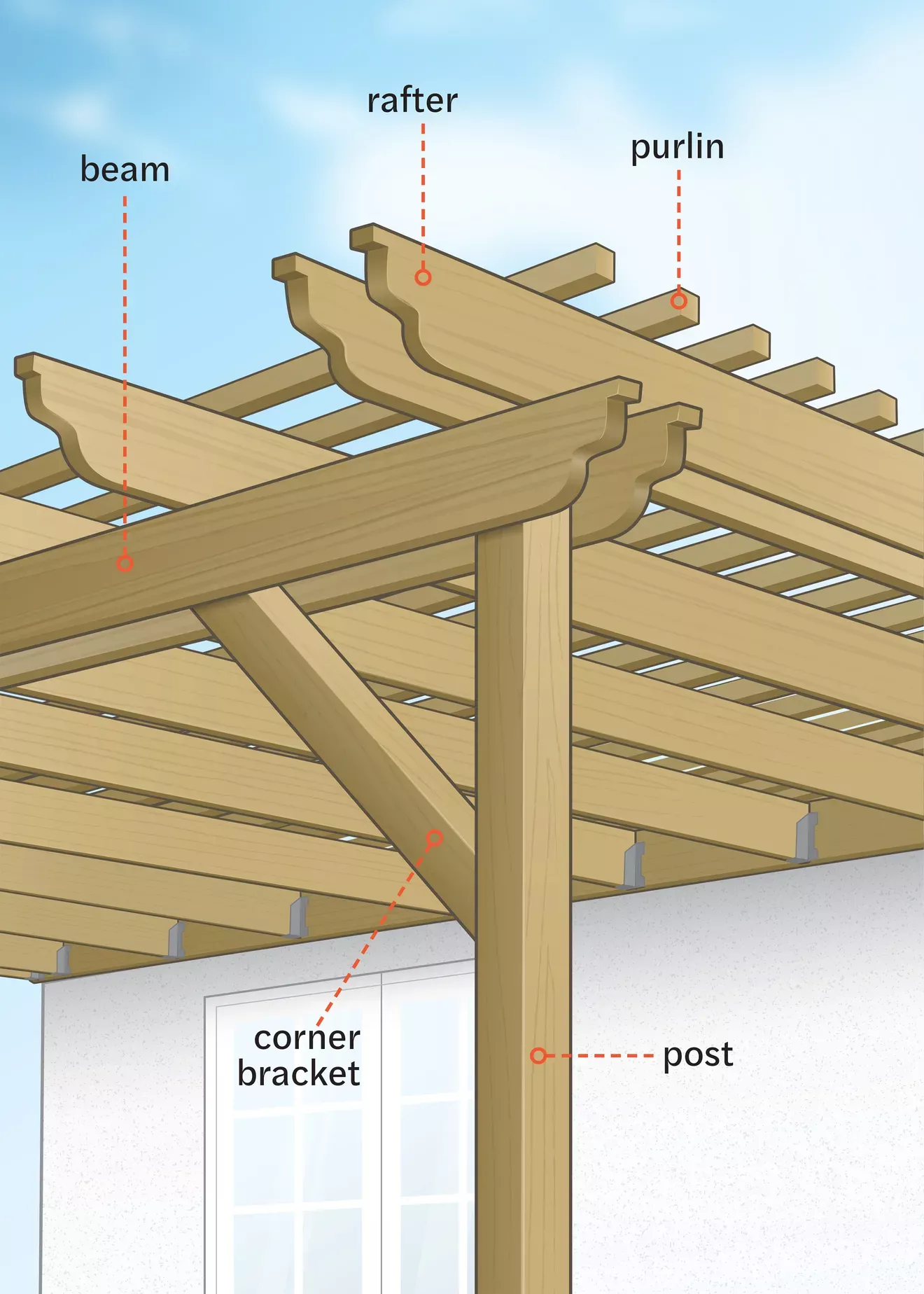
Choosing the right size for your pergola posts is a crucial decision that impacts the structure's longevity, strength, and aesthetics. The perfect post size depends on several factors, including the pergola's size, the load it will bear, and the local building codes. So, what size are pergola posts, and how do you choose the right one?
Pergola posts typically range from 4x4 inches to 6x6 inches, with 4x4 being the most common. However, the ideal post size varies based on various factors, and understanding these can help you make an informed decision.
Factors Determining Pergola Post Size
Your choice of pergola post size should be guided by several factors.


1. **Pergola Size and Weight:** Larger pergolas require more robust support. A 10x10 foot pergola can get away with 4x4 posts, while a 30x50 foot pergola would need sturdier 6x6 posts.
Post Spacing
Post spacing also influences the post size needed. According to the International Residential Code (IRC), posts should be no more than 8 feet apart. Therefore, if you're planning posts farther apart, you'll need larger posts to bear the added weight and stress.


2. **Load-bearing Needs:** If your pergola will support heavy objects like vines, lights, or a roof, you'll need sturdier posts. Even if you don't plan to add these now, consider future projects; it's easier to build for the future than to rebuild later.
Building Codes
Always check your local building codes and obtain necessary permits before beginning your project. Building codes often dictate post size based on the structure's size and expected loads.
3. **Aesthetics:** Larger posts can make your pergola look sturdier and more substantial, while smaller posts may give it a lighter, airier feel. Choose a post size that complements your desired style and scale.


Pergola Post Sizes and their Uses
Now that you understand the factors influencing post size, let's look at common post sizes and their uses.
1. **4x4 Posts:** These are the most common and versatile. They're suitable for most typical-sized pergolas up to 10x10 feet, with posts spaced no more than 6 feet apart. They provide enough strength for supported vines or lights.
Pros and Cons of 4x4 Posts
- Pros: Inexpensive, easy to work with, and suitable for most small to moderate-sized pergolas.
- Cons: Not suitable for large pergolas or those bearing significant weight. They may look too bulky on smaller structures.
2. **6x6 Posts:** These are ideal for larger pergolas (larger than 10x10 feet) or those requiring extra support, such as when spanning a larger distance, being placed farther apart, or supporting more weight.




Pros and Cons of 6x6 Posts
- Pros: Provide excellent stability and support for larger or heavier pergolas. They can make a pergola look more substantial and sturdy.
- Cons: More expensive and challenging to install due to their size and weight. They may look overwhelming on smaller pergolas.
3. **4x6 Posts:** These are another option, offering more strength than 4x4 posts but are less common and more expensive. They're suitable for medium to large pergolas needing extra support.
Choosing the Right Pergola Post Material
In addition to choosing the right size, selecting the right material is also crucial. Common options include wood, vinyl, and metal.
1. **Wood:** Pressure-treated lumber is the most common choice for pergola posts. It's durable, long-lasting, and affordable. However, it requires regular maintenance to protect against rot and insects.
Pros and Cons of Wood Pergola Posts
- Pros: Versatile, affordable, and easy to work with. Offers a natural, classic look.
- Cons: Requires regular maintenance and can rot or be damaged by insects if not treated properly. Subject to warping or splitting over time.
2. **Vinyl and Composite:** These low-maintenance materials resist rot, insects, and warping. However, they're more expensive and can become brittle in extreme temperatures.
Pros and Cons of Vinyl and Composite Pergola Posts
- Pros: Low maintenance, long-lasting, and available in various colors and styles.
- Cons: More expensive than wood. Can become brittle in extreme temperatures and may not replicate the natural look of wood.
3. **Metal:** Aluminum or steel posts are strong, durable, and low maintenance. However, they're more expensive and can becomevery hot in direct sunlight.
Pros and Cons of Metal Pergola Posts
- Pros: Strong, durable, and low maintenance. Available in various colors and styles.
- Cons: More expensive than wood. Can become very hot in direct sunlight and may not offer the natural look of wood.
When considering your pergola post size and material, always follow the advice of a professional or local building codes to ensure your structure's safety and longevity. Remember, it's easier and more cost-effective to plan properly from the start than to make changes later.
Consider your pergola's size, the load it will bear, and your desired aesthetics to determine the best post size. Then, choose a material that suits your maintenance preferences and budget. With the right size and material, you can enjoy a beautiful, durable pergola for years to come.
Related Articles

The Perfect Planter Box Size for Your Vegetables
Selecting the right size of a planter box for your vegetables is crucial for ensuring they grow and produce well. Not only does size matter for the health of...

Choose Your Tree's Perfect Planter Size
Ever looked at a lush, towering tree and wondered, "How did they grow this big?" A significant part of the answer lies in the planter you choose. Opting for...

Perfect Size Garden for a Family of Two
Being a family of two comes with unique considerations when planning your garden. Size and scale can vary greatly from a family of four or more, and it's...

"Choosing the Perfect Pot Size for Climbing Plants: A Guide
When it comes to potting climbing plants, selecting the right pot size is crucial for the plant's health and growth. The size of the pot can significantly...
What Size Pergola Do I Need: A Comprehensive Guide
When considering a pergola for your outdoor space, one of the first questions that arises is, "What size pergola do I need?" The ideal size depends on various...
Standard Pergola Size: Common Dimensions & Perfect Fit For Your Space
When considering a pergola for your outdoor space, one of the most fundamental questions that arises is the size. Standard pergola sizes can vary, but they...